WD Ultrastar Enterprise NVMe SSDs in Oman
PCIe Gen3 and Gen4 NVMe SSDs for all-flash arrays, virtualisation hosts and latency-sensitive workloads. 800 GB to 30.72 TB.
The number that decides an enterprise SSD purchase is endurance, expressed as drive writes per day
Everything else (capacity, sequential throughput, headline IOPS) is secondary to whether the drive survives the write volume you will actually put through it.
Ultrastar spans 0.8 DWPD read-intensive through 3 DWPD write-intensive. Buying a 1 DWPD drive for a database tier that rewrites its working set daily is how organisations burn through warranty in year two.
Elite Infotech supplies the Ultrastar NVMe range across Oman for all-flash arrays, hypervisor hosts, AI data preparation and mission-critical workloads.
Choosing by endurance, not capacity
Match the endurance class to how often the workload rewrites its working set. Over-specifying wastes budget; under-specifying costs the drive.
Write-intensive
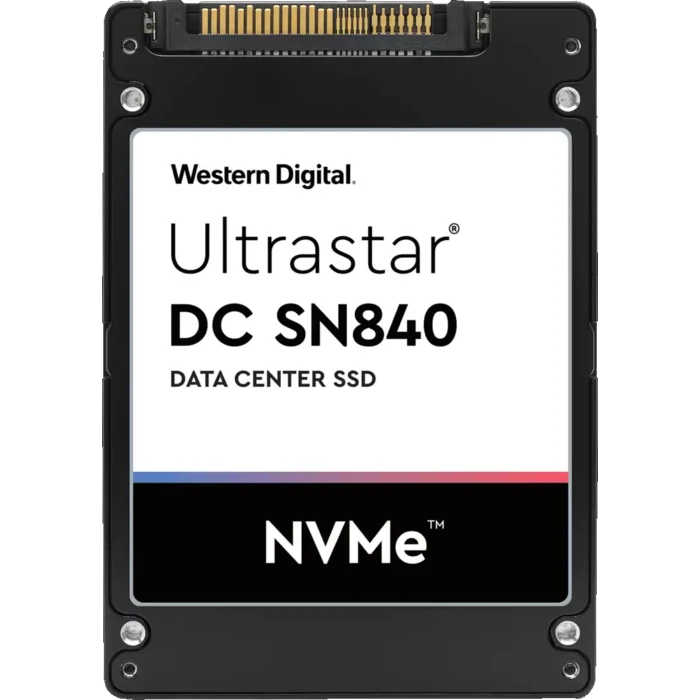
Transactional databases, write-heavy logging and VDI boot storms: anything that rewrites its working set daily. SN840, and the 3 DWPD variants of SN200 and SN260.
Mixed use
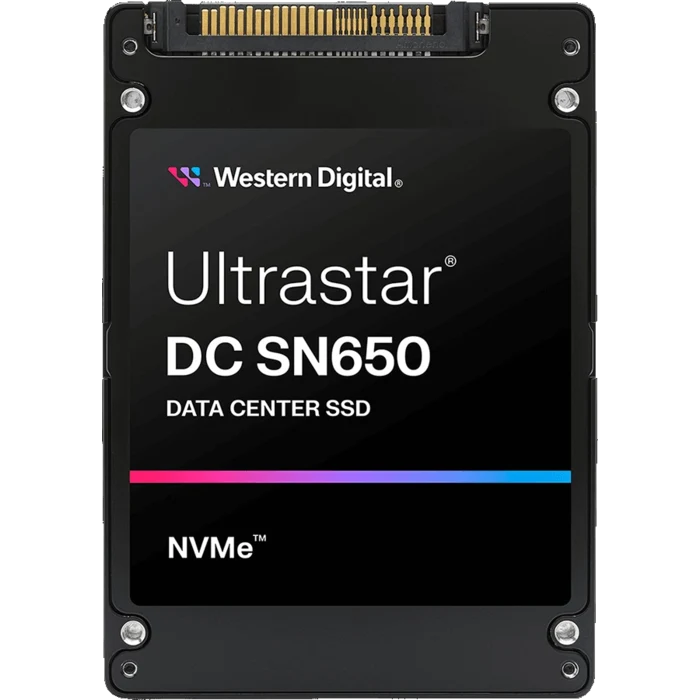
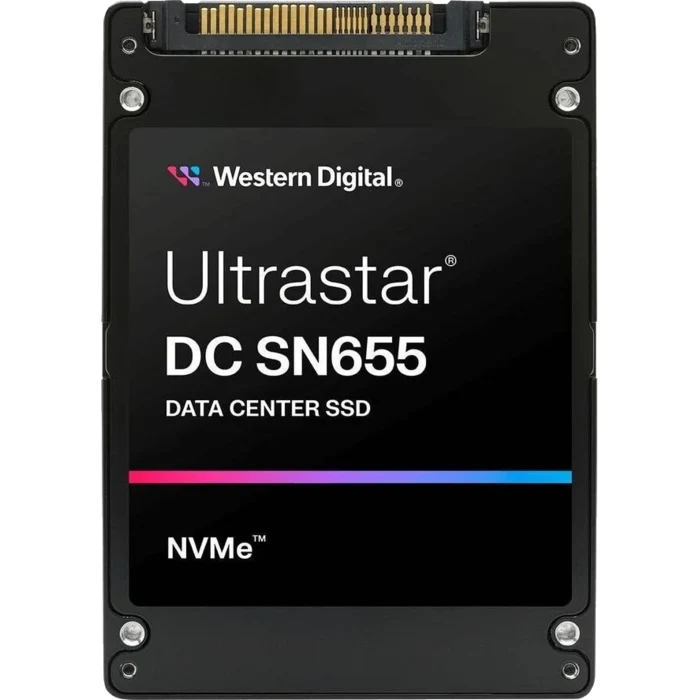
General virtualisation, scale-out cloud capacity and AI data preparation. SN650 and SN655 sit here, along with the 1 DWPD variants of the earlier generation.
Read-intensive
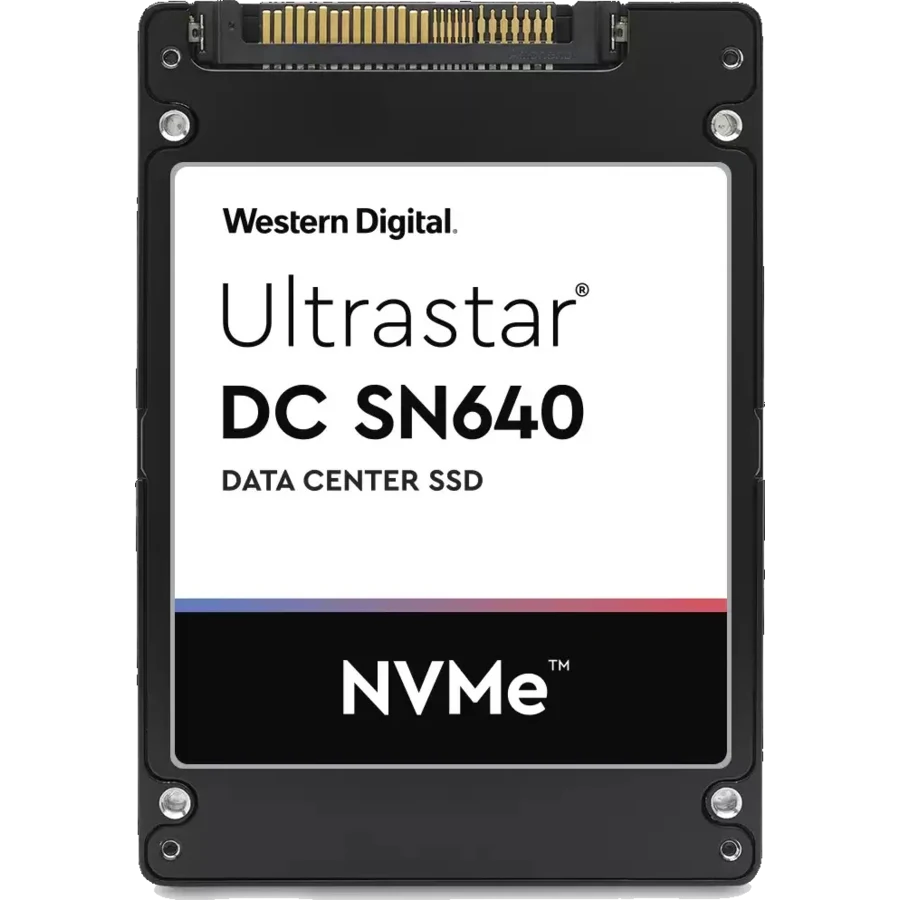
Read-dominant analytics, media serving and general virtualisation. Correct and considerably cheaper per terabyte: SN640 in its 0.8 DWPD configuration.
The short version
If the workload rewrites its working set daily, go to the 3 DWPD class. For read-dominant workloads, 0.8 to 1 DWPD is correct and considerably cheaper per terabyte.
The Ultrastar NVMe series available in Oman
Form factor and endurance vary within a series. Confirm the exact SKU, capacity and security option at quotation.
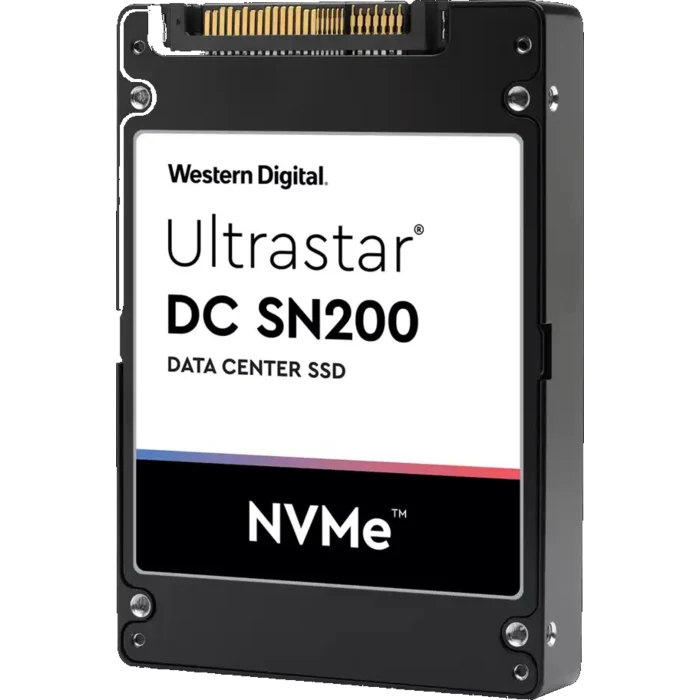
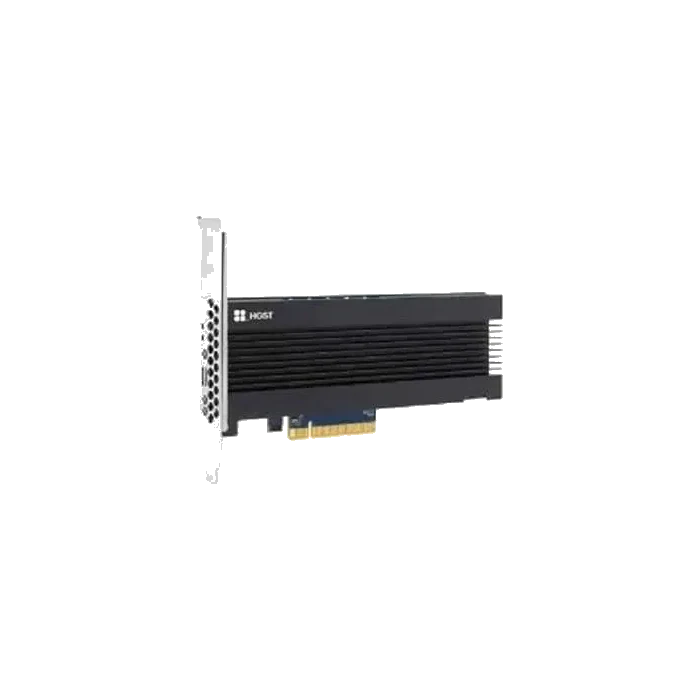
| Series | Interface | Form factor | Endurance | Best fit |
|---|---|---|---|---|
| SN640 | PCIe Gen3 x4 | U.2 2.5-inch 7 mm | 0.8 or 2 DWPD | SATA/SAS replacement, mainstream enterprise |
| SN650 | PCIe Gen4 x4 | U.3 15 mm | 1 DWPD | High-capacity cloud and scale-out |
| SN655 | PCIe Gen4 | U.3 15 mm | 1 DWPD | Mixed-use, AI data preparation, up to 30.72 TB |
| SN840 | PCIe Gen3 x4 / dual-port | U.2 2.5-inch | ~3 DWPD class | All-flash arrays, HPC, mission-critical |
| SN200 | PCIe Gen3 x4 | U.2 2.5-inch | 1 or 3 DWPD | Earlier generation, legacy replacement |
| SN260 | PCIe Gen3 x8 | HHHL add-in card | 1 or 3 DWPD | Highest sequential read via x8 interface |
Performance by series
Figures are peak values and vary by capacity, firmware and security option. SN640 read latency reaches roughly 78 microseconds.
| Series | Capacities | Seq. read | Seq. write | Random read |
|---|---|---|---|---|
| SN655 | 3.84, 7.68, 15.36, 30.72 TB | Up to 6,800 MB/s | Up to 3,700 MB/s | Up to 1,100,000 IOPS |
| SN650 | 7.68, 15.36 TB | Up to 6,600 MB/s | Up to 2,800 MB/s | Up to 970,000 IOPS |
| SN640 | 800 GB – 15.36 TB | Up to 3,340 MB/s | Up to 2,190 MB/s | Up to 515,000 IOPS |
| SN840 | 1.6 – 15.36 TB | Gen3 class | Gen3 class | High random IOPS, low latency |
| SN260 | 1.6 – 7.68 TB | Up to 6,170 MiB/s | Up to 2,200 MiB/s | Up to 1,200,000 IOPS |
| SN200 | 800 GB – 7.68 TB | Up to 3,350 MiB/s | Up to 2,100 MiB/s | Up to 835,000 IOPS |
Enterprise features across the range
These are the separations between enterprise NVMe and a consumer drive with the same connector.
Power-loss protection
On every series, alongside end-to-end data path protection across the controller and flash.
Advanced ECC
RAID-like protection across the flash, so a failed die does not take the drive with it.
Security options
SE, ISE and TCG Ruby depending on series. Confirm the compliance requirement at quotation.
MTBF, 0.35–0.44% AFR
Enterprise reliability ratings consistent with the Ultrastar HDD family.
Uncorrectable bit error rate
Two orders of magnitude better than enterprise HDD, which is what makes flash viable as a metadata tier.
Namespaces on SN650
Multi-tenant partitioning at the drive level, with a five-year limited warranty across the range.
Working out the endurance you actually need
DWPD is quoted against the full capacity of the drive, which is what makes the arithmetic counter-intuitive. A 1 DWPD rating on a 15.36 TB drive permits roughly 15 TB of writes per day for five years. The same rating on a 1.92 TB drive permits under 2 TB. Two drives, identical endurance class, an order of magnitude apart in what they will absorb.
So the useful question is not “what DWPD does this workload need” but how many terabytes per day the tier will write, measured against the capacity being deployed. A virtualisation host writing 4 TB a day across a 30 TB flash tier is comfortably inside 0.8 DWPD. The same 4 TB a day landing on a 3.84 TB cache tier is over 1 DWPD and heading for the 3 DWPD class.
Where this goes wrong in practice is capacity growth. A tier specified at 1 DWPD on day one, then filled to 85 percent and left to absorb the same absolute write volume, sees its effective wear concentrate on less free space. Write amplification climbs and the drive ages faster than the plan assumed. If the deployment is expected to grow, specify against the endurance headroom rather than the day-one figure.
Send the write volume and the tier size and we will confirm the class: a five-minute check at quotation, and cheaper than discovering the answer in year three.
Where enterprise NVMe is specified in Oman
- All-flash storage arrays replacing ageing SAS SSD tiers
- Virtualisation and hyperconverged hosts needing consistent latency under multi-tenant load
- Database and transactional workloads in banking and finance
- AI and analytics data preparation: SN655 is positioned for this
- Caching and metadata tiers in front of Ultrastar HDD capacity
Frequently asked questions
What does DWPD mean and why does it matter more than capacity?
Drive writes per day: how many times the full capacity can be overwritten daily across the warranty period. Flash cells have finite write cycles, so a drive sized correctly on capacity but under-specified on endurance will exhaust its rated life before the warranty ends.
What is the difference between U.2 and U.3?
U.3 is a unified backplane standard that accepts SAS, SATA and NVMe in one slot. U.3 drives are backward compatible with U.2 backplanes, which is why SN650 and SN655 can drop into existing infrastructure.
Which series suits a virtualisation host?
SN650 or SN655 for general virtualisation at capacity. Move to SN840 if the host runs write-heavy transactional VMs or VDI with frequent boot storms.
Do these drives have power-loss protection?
Yes, across the range, alongside end-to-end data path protection. This is one of the defining separations between enterprise and consumer NVMe.
What warranty applies?
A five-year limited manufacturer warranty across the Ultrastar NVMe range.
Where to go next
Request Ultrastar NVMe Stock and Pricing
Send your capacity, form factor, endurance requirement and host platform. We confirm the correct series and lead time within 24 hours.